
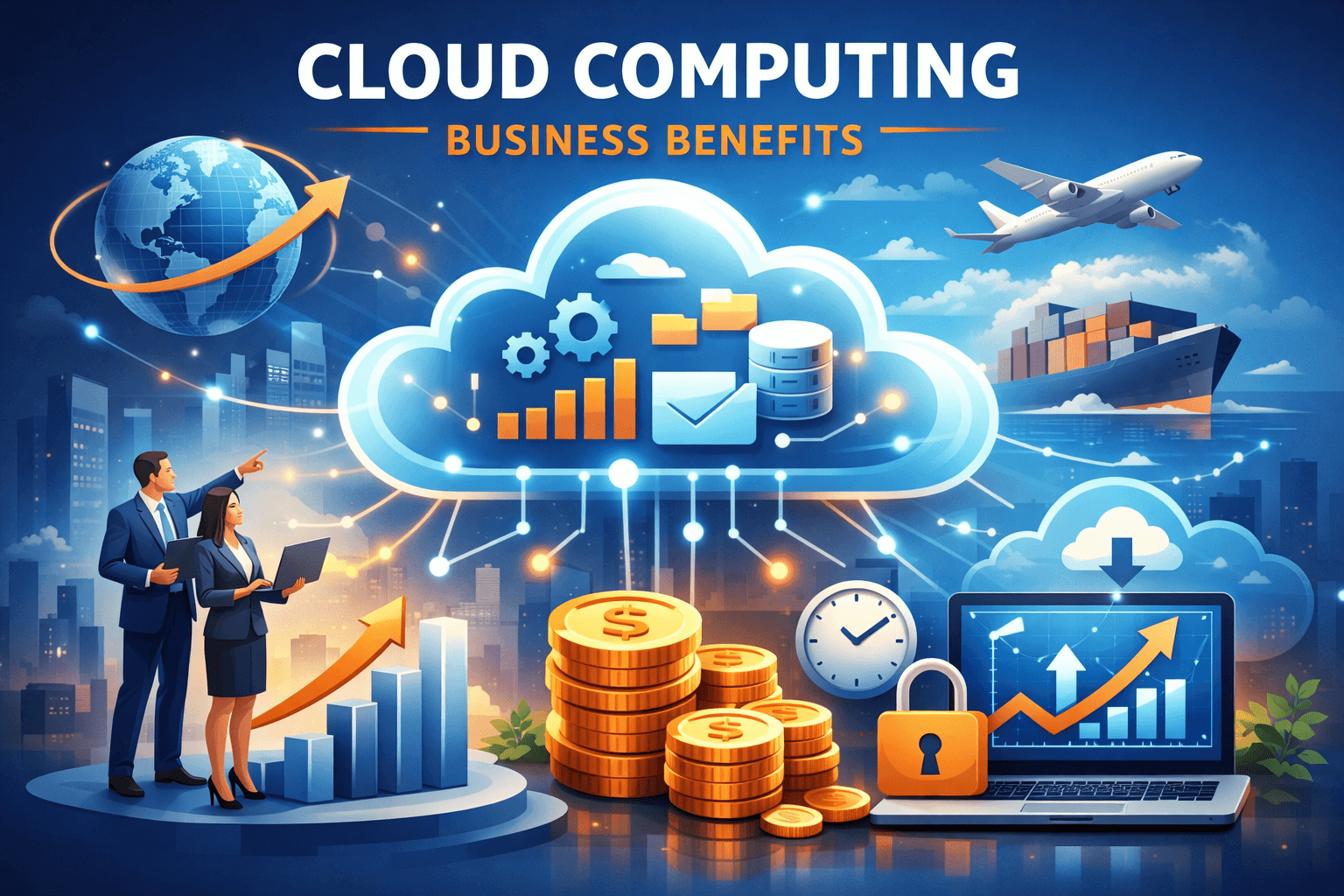
In today’s fast-changing digital economy, businesses are looking for smarter ways to reduce operational costs, improve efficiency, enhance security, and scale faster. One of the biggest technologies transforming modern businesses is cloud computing. The Cloud Computing Benefits for Companies go beyond simple online storage. Cloud technology enables businesses to access advanced software, secure data systems, remote collaboration tools, and scalable IT infrastructure without investing heavily in expensive hardware.
Across Kenya and globally, organizations are adopting cloud solutions to improve productivity and remain competitive. Whether you run a small business, a hospital, a school, a SACCO, a logistics company, or a real estate firm, cloud computing can help simplify operations and support business growth.
At Zama Systems Limited, we help companies implement reliable cloud-based systems that improve efficiency, security, accessibility, and overall business performance.
What is Cloud Computing?
Cloud computing refers to the delivery of computing services such as servers, databases, networking, software, storage, analytics, and security over the internet instead of relying on physical local servers or computers.
Instead of storing business data on a single office computer, cloud computing allows companies to securely access their systems and files online from anywhere.
Examples of cloud services include:
- Cloud storage
- Online accounting systems
- Web-based ERP systems
- Cloud backup services
- Online payroll systems
- Cloud-hosted websites
- Remote collaboration tools
- Cloud CRM software
- Virtual servers
- Software-as-a-Service (SaaS)
Popular global cloud providers include:
- Amazon Web Services
- Microsoft Azure
- Google Cloud
These platforms power millions of businesses worldwide.
Why Cloud Computing is Important for Modern Businesses
Modern companies rely heavily on technology for communication, accounting, customer service, marketing, inventory management, payments, and reporting. Traditional systems often become expensive, slow, difficult to maintain, and vulnerable to data loss.
Cloud computing solves these challenges by offering:
- Better accessibility
- Lower IT costs
- Improved collaboration
- Automatic updates
- Business continuity
- Stronger data protection
- Easier scalability
The Cloud Computing Benefits for Companies are especially important in Kenya where businesses are rapidly digitizing operations to remain competitive.
Major Cloud Computing Benefits for Companies
1. Reduced IT Costs
One of the biggest Cloud Computing Benefits for Companies is cost reduction.
Traditional IT infrastructure requires:
- Expensive servers
- Networking equipment
- Physical storage devices
- Maintenance teams
- Cooling systems
- Backup hardware
- Software licenses
Cloud computing eliminates many of these costs because businesses pay only for the services they use.
How Businesses Save Money with Cloud Computing
Companies reduce expenses through:
- Lower hardware purchases
- Reduced maintenance costs
- Reduced electricity usage
- Fewer IT repairs
- Lower software upgrade costs
- Flexible subscription pricing
Small businesses especially benefit because they can access enterprise-level technology without huge upfront investments.
2. Scalability and Flexibility
Businesses grow and change over time. Cloud systems allow companies to easily scale their operations without replacing infrastructure.
For example:
- A school can add more students
- A hospital can increase patient records
- A retail company can support more branches
- An eCommerce business can handle higher traffic
Cloud systems allow businesses to increase or reduce:
- Storage space
- Users
- Processing power
- Applications
- Database capacity
This flexibility helps companies adapt quickly to market demands.
3. Improved Data Security
Data security is one of the most critical business concerns today.
Cyber threats such as:
- Hacking
- Malware
- Ransomware
- Data theft
- Phishing attacks
continue to affect organizations worldwide.
Cloud platforms provide advanced security features including:
- Data encryption
- Firewalls
- Multi-factor authentication
- Security monitoring
- Automatic backups
- Disaster recovery
- Access controls
Professional cloud providers invest heavily in cybersecurity systems that many small businesses cannot afford independently.
At Zama Systems Limited, we help companies implement secure cloud solutions that protect sensitive business information.
4. Remote Access and Work Flexibility
Cloud computing allows employees to access systems from anywhere using:
- Laptops
- Smartphones
- Tablets
- Desktop computers
This is especially useful for:
- Remote workers
- Field staff
- Managers traveling
- Multi-branch businesses
Cloud technology enables teams to:
- Share files instantly
- Work collaboratively
- Access reports remotely
- Update records in real time
Businesses no longer depend entirely on office-based systems.
5. Better Business Continuity
Unexpected events can disrupt business operations:
- Power failures
- Hardware crashes
- Fires
- Floods
- Theft
- Cyberattacks
Without proper backups, companies risk losing critical data permanently.
Cloud computing improves business continuity through:
- Automatic backups
- Data replication
- Recovery systems
- Remote accessibility
- Disaster recovery plans
Even if office computers fail, business operations can continue using cloud systems.
6. Faster Software Updates
Traditional software often requires:
- Manual installation
- Expensive upgrades
- IT technicians
- Downtime during updates
Cloud software automatically updates itself.
Benefits include:
- New features
- Security improvements
- Faster performance
- Reduced maintenance
- Improved compatibility
Businesses always access the latest versions without complex installations.
7. Enhanced Team Collaboration
Cloud platforms improve teamwork by enabling multiple users to work on the same data simultaneously.
Examples include:
- Shared documents
- Cloud accounting systems
- Project management tools
- Team messaging platforms
- Shared calendars
Departments can collaborate more efficiently even across different locations.
This improves:
- Productivity
- Communication
- Decision-making
- Workflow management
8. Increased Productivity
Employees spend less time dealing with technical issues and more time focusing on productive work.
Cloud systems simplify:
- File sharing
- Reporting
- Communication
- Customer management
- Accounting
- Inventory tracking
Automation reduces repetitive manual work.
This results in:
- Faster operations
- Better customer service
- Improved employee efficiency
- Higher profitability
9. Environmentally Friendly Technology
Cloud computing supports environmentally sustainable business operations.
Traditional data centers consume large amounts of:
- Electricity
- Cooling resources
- Physical hardware
Cloud providers optimize energy usage through efficient infrastructure.
Benefits include:
- Reduced carbon footprint
- Lower energy consumption
- Less electronic waste
- Greener business operations
Companies adopting cloud solutions contribute to environmental sustainability.
10. Easier Data Backup and Recovery
Data loss can seriously damage business operations.
Cloud systems automatically backup:
- Customer information
- Financial records
- Employee data
- Inventory data
- Reports
- Transactions
Benefits include:
- Faster recovery
- Reduced downtime
- Improved reliability
- Better data protection
Businesses gain peace of mind knowing their data remains safe.
Types of Cloud Computing Services
Software as a Service (SaaS)
SaaS provides software applications through the internet.
Examples:
- Online accounting systems
- CRM software
- Payroll systems
- Email platforms
Benefits:
- No installation required
- Accessible anywhere
- Subscription-based pricing
- Automatic updates
Infrastructure as a Service (IaaS)
IaaS provides virtual infrastructure such as:
- Servers
- Storage
- Networking
Businesses rent infrastructure instead of buying hardware.
Benefits:
- Reduced capital expenditure
- Flexible scaling
- Better performance
Platform as a Service (PaaS)
PaaS helps developers build applications without managing infrastructure.
Benefits:
- Faster development
- Simplified deployment
- Reduced maintenance
Cloud Computing Benefits for Small Businesses
Small businesses in Kenya benefit significantly from cloud technology because it reduces barriers to digital transformation.
Benefits include:
- Affordable software
- Remote operations
- Improved customer service
- Better financial management
- Secure data storage
- Simplified communication
Cloud systems help small businesses compete with larger organizations.
Cloud Computing Benefits for Schools
Educational institutions use cloud computing for:
- Online learning
- Student management systems
- Digital libraries
- Fee management
- Staff communication
Benefits include:
- Better learning accessibility
- Improved administration
- Reduced paperwork
- Secure student records
Cloud Computing Benefits for Hospitals
Healthcare facilities rely on cloud systems for:
- Patient management
- Appointment scheduling
- Medical records
- Billing systems
- Pharmacy management
Benefits include:
- Faster patient services
- Secure health records
- Better reporting
- Improved communication
Cloud Computing Benefits for Real Estate Companies
Property management firms use cloud systems for:
- Tenant management
- Rent collection
- Financial reporting
- Maintenance tracking
- Property records
Benefits include:
- Better organization
- Automated billing
- Improved transparency
- Easier reporting
Cloud Computing Benefits for Retail Businesses
Retail companies use cloud systems for:
- Inventory management
- POS systems
- Customer tracking
- Accounting
- Online sales
Benefits include:
- Real-time inventory tracking
- Faster transactions
- Improved customer service
- Better analytics
Common Cloud Computing Challenges
Although cloud computing offers many advantages, businesses should also understand possible challenges.
Internet Dependency
Cloud systems require stable internet access.
Poor connectivity may affect:
- System accessibility
- Upload speeds
- Real-time collaboration
Reliable internet providers help solve this issue.
Data Privacy Concerns
Businesses handling sensitive information must ensure:
- Proper security policies
- Data protection compliance
- User access control
Choosing professional cloud providers is important.
Migration Complexity
Moving from traditional systems to cloud systems may require:
- Data migration
- Employee training
- System integration
Working with experienced IT professionals simplifies the process.
How to Successfully Implement Cloud Computing
1. Assess Business Needs
Identify:
- Current IT challenges
- Required software
- Storage needs
- Security requirements
2. Choose the Right Cloud Solution
Different businesses require different cloud services.
Consider:
- Budget
- Scalability
- Security
- Industry requirements
3. Work with Experienced IT Professionals
Professional implementation reduces risks and ensures proper configuration.
At Zama Systems Limited, we help businesses deploy secure and scalable cloud solutions tailored to their needs.
4. Train Employees
Employees should understand:
- System usage
- Security practices
- Remote collaboration
- Data management
Training improves productivity and reduces errors.
5. Prioritize Security
Implement:
- Strong passwords
- Multi-factor authentication
- Access restrictions
- Regular backups
Security should remain a top priority.
Future of Cloud Computing in Kenya
Cloud computing adoption in Kenya continues growing rapidly due to:
- Increased internet penetration
- Mobile technology growth
- Business digitization
- Remote work trends
- Demand for automation
Industries embracing cloud computing include:
- Healthcare
- Education
- Finance
- Logistics
- Retail
- Real estate
- Manufacturing
Businesses that adopt cloud technologies early gain competitive advantages.
Why Companies Should Invest in Cloud Computing Today
The digital economy requires businesses to become:
- Faster
- More efficient
- More secure
- More scalable
Cloud computing provides the foundation for modern digital transformation.
Companies that ignore cloud technology risk:
- Higher operational costs
- Reduced competitiveness
- Slower processes
- Poor scalability
Investing in cloud computing positions businesses for long-term growth.
Why Choose Zama Systems Limited for Cloud Solutions
Zama Systems Limited provides professional cloud computing solutions for businesses across Kenya.
Our services include:
- Cloud migration
- Cloud hosting
- Business software solutions
- Data backup systems
- IT consultancy
- Cybersecurity solutions
- Web-based systems
- Cloud-based ERP systems
We help businesses:
- Reduce costs
- Improve efficiency
- Enhance security
- Automate operations
- Scale effectively
Whether you operate a small business or a large enterprise, we provide customized cloud solutions designed for your organization.
Conclusion
The Cloud Computing Benefits for Companies continue transforming businesses across Kenya and globally. From reducing operational costs to improving security, scalability, collaboration, and productivity, cloud computing has become essential for modern organizations.
Businesses that embrace cloud technology gain:
- Better efficiency
- Stronger security
- Remote accessibility
- Improved collaboration
- Business continuity
- Faster growth opportunities
As digital transformation accelerates, cloud computing will remain one of the most important technologies driving business success.
If your organization wants reliable and secure cloud computing solutions, professional IT support, and digital transformation services, contact Zama Systems Limited today.
Contact Information
Zama Systems Limited
Website: www.zama.co.ke
Phone: +254 725345345