
ERP Software Nairobi: The Complete Guide for Modern Businesses
Running a successful business in Nairobi has become more challenging than ever. Whether you own a retail shop in Westlands, a manufacturing company in Industrial Area, a logistics company along Mombasa Road, or a growing SME in Kilimani, managing multiple business processes manually can slow growth and reduce profitability.
This is where ERP Software Nairobi becomes an essential business tool.
Enterprise Resource Planning (ERP) software integrates all departments into one centralized system. Instead of using different software for accounting, inventory, HR, procurement, payroll, sales, customer management, and reporting, an ERP platform allows every department to work from a single source of truth.
Companies in Nairobi are increasingly adopting ERP systems because they reduce costs, improve operational efficiency, eliminate duplicate data, and provide real-time business insights.
In this comprehensive guide, you’ll learn everything about ERP Software Nairobi, its benefits, features, implementation process, pricing considerations, and why it has become a necessity for modern businesses.
What is ERP Software Nairobi?
Enterprise Resource Planning (ERP) software is an integrated business management system that combines multiple business functions into one centralized platform.
Instead of having separate applications for:
- Accounting
- Human Resources
- Procurement
- Inventory
- Sales
- Customer Relationship Management
- Payroll
- Manufacturing
- Project Management
everything operates within one connected system.
For businesses searching for ERP Software Nairobi, this means fewer manual processes, improved collaboration, and faster decision-making.
Why Businesses in Nairobi Need ERP Software
The Nairobi business environment is highly competitive. Organizations are expected to deliver services faster while keeping operational costs low.
Businesses still relying on spreadsheets and disconnected software often experience:
- Duplicate data entry
- Delayed reporting
- Inventory inaccuracies
- Payroll errors
- Poor customer service
- Slow approval processes
- Financial inconsistencies
Implementing ERP Software Nairobi helps businesses overcome these challenges by automating workflows and centralizing operations.
Challenges Facing Businesses Without ERP Software
Many growing businesses eventually outgrow traditional accounting software.
Common operational challenges include:
Poor Communication
Departments work independently without sharing information.
Sales teams may not know current inventory.
Finance may not know procurement status.
HR may not know project allocations.
ERP connects everyone.
Manual Reporting
Managers spend hours compiling reports from different systems.
ERP automatically generates:
- Sales reports
- Financial reports
- Profit analysis
- Cash flow reports
- Inventory reports
- Employee performance reports
Inventory Losses
Manual inventory management often leads to:
- Overstocking
- Stock shortages
- Theft
- Expired inventory
- Incorrect stock balances
ERP provides real-time inventory tracking.
Delayed Decision Making
Without accurate data, management decisions rely on assumptions.
ERP dashboards provide real-time insights.
Key Features of ERP Software Nairobi
Modern ERP systems include a wide range of business management modules.
Financial Management
Finance is the backbone of every organization.
ERP simplifies:
- General Ledger
- Accounts Payable
- Accounts Receivable
- Cash Flow
- Budgeting
- Tax Management
- Bank Reconciliation
- Financial Statements
Managers always know the financial health of the business.
Inventory Management
Inventory is one of the biggest assets for retailers, wholesalers, pharmacies, supermarkets, and manufacturers.
ERP allows businesses to:
- Track stock in real time
- Monitor warehouse movement
- Receive low-stock alerts
- Manage multiple warehouses
- Barcode inventory
- Batch tracking
- Serial number tracking
Procurement Management
Purchasing becomes more efficient through automated workflows.
Features include:
- Purchase Requests
- Purchase Orders
- Supplier Management
- Goods Receiving
- Supplier Payments
- Vendor Performance Analysis
Human Resource Management
HR departments benefit from:
- Employee Records
- Leave Management
- Payroll
- Performance Evaluation
- Attendance Tracking
- Recruitment
- Employee Self-Service Portal
Customer Relationship Management (CRM)
Customer management becomes easier through:
- Lead Tracking
- Opportunity Management
- Customer Database
- Sales Pipeline
- Quotations
- Customer Communication
- Sales Forecasting
Sales Management
Sales teams can:
- Create quotations
- Generate invoices
- Manage orders
- Track deliveries
- Monitor customer balances
- View sales reports
Payroll Management
Payroll automation reduces errors.
Features include:
- Salary Processing
- PAYE Calculations
- NHIF Deductions
- NSSF Contributions
- Overtime
- Allowances
- Payslips
- Bank Transfers
Manufacturing Module
Manufacturers can manage:
- Production Planning
- Bills of Materials
- Production Orders
- Raw Materials
- Work Orders
- Machine Scheduling
- Quality Control
Project Management
Project-based companies use ERP to manage:
- Tasks
- Budgets
- Resources
- Time Tracking
- Milestones
- Client Billing
Industries Using ERP Software Nairobi
Almost every industry can benefit from ERP software.
Manufacturing
Manufacturers use ERP to control:
- Production
- Inventory
- Procurement
- Quality Assurance
- Supply Chain
- Distribution
Retail Businesses
Retailers use ERP for:
- Point of Sale integration
- Inventory
- Customer Loyalty
- Promotions
- Supplier Management
Wholesale Distribution
Wholesalers need ERP for:
- Warehouse Management
- Order Processing
- Route Planning
- Customer Accounts
Healthcare
Hospitals and clinics use ERP for:
- Billing
- Procurement
- Inventory
- HR
- Finance
- Pharmacy Management
Educational Institutions
Schools and universities manage:
- Finance
- Payroll
- Procurement
- Assets
- HR
- Student Billing
Construction Companies
Construction firms manage:
- Projects
- Contractors
- Equipment
- Procurement
- Budget Tracking
Logistics Companies
ERP helps logistics firms manage:
- Fleet
- Fuel
- Drivers
- Deliveries
- Maintenance
- Customer Orders
NGOs
Non-governmental organizations use ERP for:
- Grant Management
- Procurement
- HR
- Finance
- Project Tracking
- Compliance Reporting
Hospitality
Hotels use ERP for:
- Reservations
- Inventory
- Procurement
- Payroll
- Accounting
- Customer Management
Professional Services
Consulting firms, law firms, and engineering companies use ERP for:
- Time tracking
- Client billing
- Resource allocation
- Financial reporting
Why Cloud ERP is Becoming Popular in Nairobi
Cloud-based ERP Software Nairobi offers significant advantages over traditional on-premise systems:
- Access from anywhere with an internet connection.
- Lower upfront infrastructure costs.
- Automatic software updates.
- Easier scalability as the business grows.
- Enhanced disaster recovery and data backups.
- Better collaboration for remote and multi-branch teams.
For SMEs and startups, cloud ERP reduces the need for expensive servers and dedicated IT infrastructure while providing enterprise-level functionality.
Signs Your Business Needs ERP Software
If your organization experiences any of the following, it may be time to invest in ERP Software Nairobi:
- Employees spend hours entering the same data into multiple systems.
- Financial reports take days or weeks to prepare.
- Inventory discrepancies are common.
- Customer orders are delayed due to poor coordination.
- Payroll processing is time-consuming.
- Management lacks real-time visibility into business performance.
- Different departments use disconnected software.
An ERP system addresses these issues by providing one integrated platform for all business operations.
Benefits of ERP Software Nairobi
Implementing ERP Software Nairobi is more than just adopting new technology—it’s a strategic investment that transforms how an organization operates. Businesses that implement ERP correctly often experience improved productivity, better customer satisfaction, reduced operational costs, and faster business growth.
1. Improved Productivity
One of the biggest advantages of ERP Software Nairobi is automation. Instead of manually entering the same information into different systems, employees enter data once, and it becomes available across the organization.
This reduces repetitive tasks such as:
- Manual invoicing
- Spreadsheet updates
- Payroll calculations
- Inventory reconciliation
- Purchase approvals
Employees can focus on high-value activities instead of administrative work.
2. Better Decision-Making
Modern ERP systems include powerful dashboards and business intelligence tools.
Managers can instantly view:
- Daily sales
- Profit margins
- Outstanding invoices
- Stock levels
- Cash flow
- Employee performance
- Procurement status
Having access to real-time information enables faster and more informed decisions.
3. Reduced Operational Costs
Businesses using ERP Software Nairobi often reduce costs by:
- Eliminating duplicate software
- Reducing paperwork
- Minimizing inventory losses
- Improving procurement efficiency
- Preventing accounting errors
- Automating repetitive processes
Over time, these savings can significantly outweigh the initial implementation cost.
4. Improved Customer Service
Customer satisfaction improves when employees have access to complete customer information.
ERP systems help businesses:
- Respond to inquiries faster
- Track customer orders
- Resolve complaints efficiently
- Manage customer history
- Generate quotations quickly
This results in stronger customer relationships and increased loyalty.
5. Accurate Financial Reporting
Financial reporting becomes simpler because all transactions are recorded within one integrated system.
Reports can include:
- Profit and Loss Statements
- Balance Sheets
- Cash Flow Statements
- Trial Balance
- Budget Analysis
- Tax Reports
This improves financial transparency and simplifies audits.
6. Enhanced Inventory Control
For businesses managing stock, ERP provides:
- Real-time inventory tracking
- Automatic stock adjustments
- Reorder level alerts
- Warehouse transfers
- Batch and serial number tracking
- Expiry date monitoring
These features reduce stock shortages and excess inventory.
7. Better Collaboration Between Departments
Since all departments use the same database, information flows seamlessly.
For example:
- Sales can check inventory before confirming orders.
- Finance can verify payments instantly.
- Procurement can monitor supplier performance.
- HR can track employee attendance and payroll.
This eliminates communication gaps and improves efficiency.
Core ERP Modules Explained
Financial Management Module
This module manages all financial transactions.
Features include:
- General Ledger
- Accounts Payable
- Accounts Receivable
- Fixed Assets
- Budgeting
- Tax Management
- Bank Reconciliation
- Financial Reporting
Inventory Management Module
Inventory management helps businesses monitor stock movement across one or multiple locations.
Capabilities include:
- Barcode support
- Stock valuation
- Warehouse management
- Inventory forecasting
- Purchase planning
- Stock transfers
- Inventory audits
Procurement Module
Procurement automation streamlines purchasing.
Key functions:
- Supplier database
- Purchase requisitions
- Purchase orders
- Goods receipt
- Supplier invoices
- Approval workflows
Human Resource Management
HR becomes more efficient through:
- Employee profiles
- Leave management
- Attendance
- Payroll
- Recruitment
- Performance reviews
- Training management
Customer Relationship Management (CRM)
CRM enables businesses to:
- Track leads
- Manage opportunities
- Store customer information
- Send quotations
- Monitor sales pipelines
- Improve follow-up processes
Sales Management
Sales teams benefit from:
- Quotation generation
- Sales orders
- Invoicing
- Customer credit limits
- Delivery tracking
- Sales reporting
Project Management
Businesses running projects can monitor:
- Project budgets
- Staff allocation
- Milestones
- Resource utilization
- Project profitability
- Time tracking
Manufacturing Module
Manufacturers can automate:
- Production planning
- Raw material management
- Bills of materials
- Work orders
- Production scheduling
- Quality inspections
Cloud ERP vs On-Premise ERP
Choosing between cloud-based and on-premise ERP depends on your business needs.
| Feature | Cloud ERP | On-Premise ERP |
|---|---|---|
| Initial Cost | Lower | Higher |
| Monthly Fees | Yes | Usually No |
| Infrastructure | Hosted by vendor | Managed by business |
| Accessibility | Anywhere | Office network unless configured |
| Updates | Automatic | Manual |
| Scalability | Easy | More complex |
| Backup | Vendor-managed | Business-managed |
| Maintenance | Vendor | Internal IT |
For many SMEs in Nairobi, cloud ERP offers flexibility, lower costs, and easier maintenance.
How to Choose the Best ERP Software Nairobi
Selecting the right ERP solution is critical. Consider the following factors:
Business Requirements
Identify your needs:
- Finance
- HR
- Inventory
- CRM
- Manufacturing
- Procurement
- Payroll
- Project Management
Choose software that supports your current operations and future growth.
Ease of Use
A user-friendly system reduces training time and improves staff adoption.
Look for:
- Simple navigation
- Customizable dashboards
- Mobile access
- Clear reporting
Scalability
Your ERP should grow with your business.
Ensure it supports:
- Additional users
- Multiple branches
- New business units
- Increased transaction volumes
Local Compliance
For businesses in Kenya, the ERP should support:
- Kenyan tax requirements
- VAT reporting
- PAYE calculations
- NSSF deductions
- NHIF contributions
- Electronic invoicing where applicable
Integration Capabilities
A modern ERP should integrate with:
- Banking systems
- Payment gateways
- M-Pesa
- POS systems
- E-commerce platforms
- Email services
- CRM tools
Vendor Support
Reliable support is essential.
Choose a vendor that offers:
- User training
- Technical support
- Regular updates
- Data migration assistance
- System customization
ERP Implementation Process
Successful ERP implementation follows a structured approach.
Step 1: Requirements Analysis
Document:
- Existing processes
- Business challenges
- Desired improvements
- Required modules
Step 2: System Design
Configure workflows, user roles, approval processes, and reports to match business operations.
Step 3: Data Migration
Transfer existing data, including:
- Customers
- Suppliers
- Employees
- Inventory
- Financial records
Clean and validate the data before migration to ensure accuracy.
Step 4: User Training
Train employees on:
- Daily operations
- Reporting
- Approvals
- Troubleshooting
- Security practices
Well-trained users are key to successful ERP adoption.
Step 5: Testing
Conduct comprehensive testing to verify:
- Transactions
- Reports
- Integrations
- Security permissions
- Workflow accuracy
Resolve any issues before going live.
Step 6: Go-Live
Deploy the system and closely monitor performance during the initial weeks. Provide users with immediate support to address any challenges.
Step 7: Continuous Improvement
ERP implementation is an ongoing process. Regularly:
- Review workflows
- Gather user feedback
- Apply updates
- Introduce new features
- Optimize processes
This ensures the system continues to deliver value as the business evolves.
ommon ERP Implementation Challenges and How to Overcome Them
Although implementing ERP Software Nairobi offers significant advantages, businesses may encounter challenges during deployment. Proper planning and experienced implementation partners can help minimize these issues.
Resistance to Change
Employees may be reluctant to adopt a new system, especially if they are comfortable with existing processes.
Solution:
- Communicate the benefits early.
- Involve department heads in planning.
- Provide comprehensive user training.
- Offer ongoing technical support.
Poor Data Quality
Migrating inaccurate or duplicate data can create reporting issues.
Solution:
- Audit existing data.
- Remove duplicate records.
- Standardize naming conventions.
- Validate information before migration.
Budget Overruns
Projects may exceed budget due to additional customization or scope changes.
Solution:
- Clearly define project requirements.
- Prioritize essential features.
- Create a realistic implementation plan.
- Include contingency funding.
Lack of Executive Support
ERP projects require leadership commitment.
Solution:
Management should:
- Champion the project.
- Allocate sufficient resources.
- Encourage staff participation.
- Monitor implementation progress.
ERP Software Trends in Nairobi
Businesses adopting ERP Software Nairobi are increasingly embracing advanced technologies that improve efficiency and competitiveness.
Artificial Intelligence (AI)
AI-powered ERP systems can:
- Predict customer demand.
- Forecast inventory requirements.
- Detect fraudulent transactions.
- Automate repetitive tasks.
- Generate intelligent business insights.
Cloud Computing
Cloud ERP continues to dominate because it offers:
- Lower infrastructure costs.
- Remote access.
- Automatic software updates.
- Enhanced collaboration.
- Improved disaster recovery.
Mobile ERP
Business owners and managers increasingly need access to information while away from the office.
Mobile ERP applications allow users to:
- Approve purchase requests.
- View financial reports.
- Track inventory.
- Monitor sales.
- Manage projects.
- Approve leave requests.
Business Intelligence and Analytics
Modern ERP platforms provide interactive dashboards that help organizations identify:
- Sales trends.
- Customer buying behavior.
- Inventory movement.
- Financial performance.
- Employee productivity.
These insights support faster and more informed decision-making.
Automation and Workflow Management
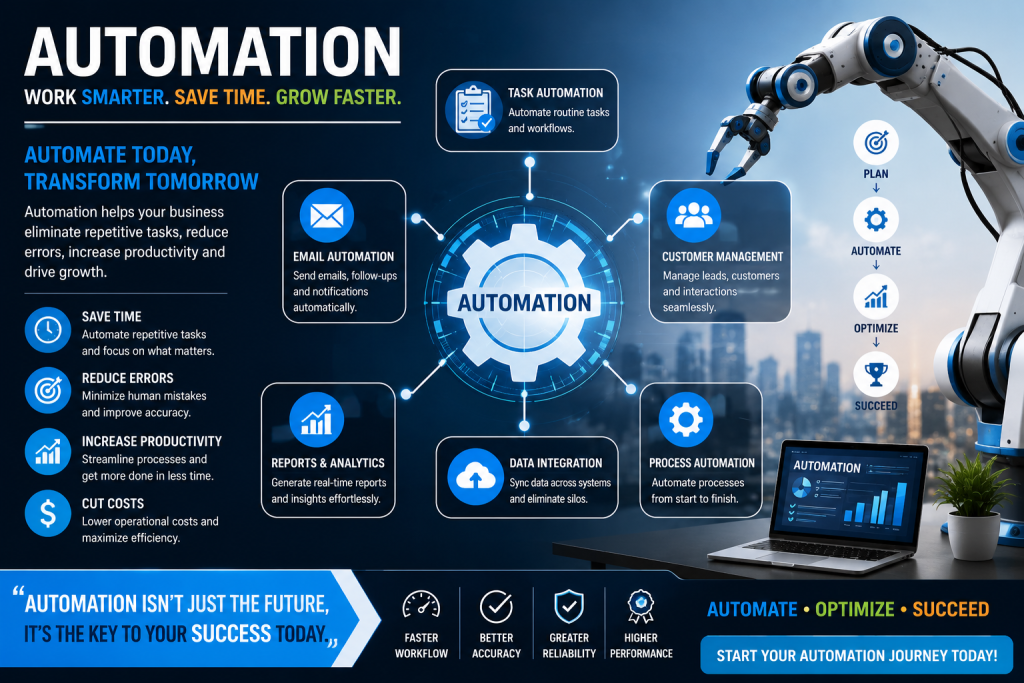
Automation reduces manual work by streamlining processes such as:
- Purchase approvals.
- Invoice generation.
- Payroll processing.
- Customer notifications.
- Inventory replenishment.
This improves efficiency and minimizes human error.
Case Study: How ERP Transformed a Nairobi-Based Wholesale Distributor
A mid-sized wholesale distributor in Nairobi managed accounting with one application, inventory in spreadsheets, and procurement through email. As the business expanded, stock discrepancies increased, purchase approvals were delayed, and financial reporting became time-consuming.
The company implemented ERP Software Nairobi with integrated modules for finance, inventory, procurement, sales, payroll, and customer management.
Within the first year, the business achieved:
- Faster month-end financial reporting.
- Improved inventory accuracy.
- Reduced procurement approval times.
- Better customer order fulfillment.
- Increased operational efficiency through workflow automation.
- Enhanced management visibility using real-time dashboards.
This example illustrates how an integrated ERP Software Nairobi can help growing businesses improve productivity and support sustainable growth.
Frequently Asked Questions
What is ERP Software Nairobi?
ERP (Enterprise Resource Planning) software integrates core business functions such as accounting, inventory, HR, procurement, sales, payroll, and customer management into a single platform.
Is ERP Software Nairobi suitable for small businesses?
Yes. Many cloud-based ERP solutions are designed specifically for startups and SMEs, allowing businesses to start with essential modules and expand as they grow.
How long does ERP Software Nairobi implementation take?
Implementation timelines vary depending on the size and complexity of the organization. Smaller deployments may take a few weeks, while larger enterprise projects can take several months.
Can ERP Software Nairobi integrate with existing systems?
Most modern ERP platforms support integration with accounting tools, payment gateways, e-commerce platforms, customer relationship management systems, and other business applications through APIs.
Is cloud ERP Software Nairobi secure?
Reputable cloud ERP providers use encryption, regular backups, access controls, and other security measures to protect business data. Organizations should also implement strong passwords, user permissions, and multi-factor authentication where available.
How much does ERP Software Nairobi cost?
Pricing depends on several factors, including:
- Number of users.
- Required modules.
- Customization needs.
- Deployment model (cloud or on-premise).
- Implementation and training services.
- Ongoing support requirements.
Requesting a tailored quotation is the best way to determine the total cost for your business.
Why Your Business Should Invest in ERP Software Nairobi
Whether you operate a retail store, manufacturing company, logistics business, healthcare facility, educational institution, or professional services firm, ERP Software Nairobi can help you:
- Centralize business operations.
- Increase productivity.
- Improve financial management.
- Enhance inventory control.
- Strengthen customer relationships.
- Automate repetitive processes.
- Make data-driven decisions.
- Support long-term business growth.
By replacing disconnected systems with one integrated platform, organizations can reduce operational complexity and gain the visibility needed to compete effectively in today’s market.
Conclusion
Digital transformation is no longer optional for businesses seeking sustainable growth. As competition increases and customer expectations evolve, organizations need integrated systems that provide accurate information, streamline operations, and improve efficiency.
Implementing ERP Software Nairobi enables businesses to connect departments, automate workflows, improve collaboration, and access real-time insights for better decision-making. From finance and procurement to HR, inventory, sales, and customer management, an ERP system serves as the foundation for modern business operations.
Whether you are a startup planning for growth or an established enterprise looking to optimize performance, investing in the right ERP solution can deliver long-term value through increased productivity, lower operational costs, and improved customer satisfaction.
Now is the ideal time to evaluate your current processes and choose an ERP platform that aligns with your business objectives. The right solution will not only solve today’s operational challenges but also position your organization for future success.
Looking for reliable ERP Software Nairobi for your business?
Choose a scalable ERP solution that helps you manage finance, inventory, procurement, payroll, HR, CRM, sales, and reporting from one centralized platform. With the right implementation partner, your business can automate operations, improve efficiency, and accelerate growth.
Contact us today for a personalized ERP consultation and discover how a modern ERP system can transform your business operations.