Checkout and cashier control
Transactions, receipts, cashier activity, and payment visibility can be monitored from the same POS workflow.
We build retail POS software in Kenya for shops, supermarkets, wholesalers, and multi-branch retailers that need sales control, stock visibility, branch reporting, payment integration, and management dashboards in one platform.
Retailers usually search for retail POS software Kenya when cashier activity, stock movement, supplier orders, and branch reporting can no longer be trusted through basic tills or spreadsheets alone. The system needs to connect sales, inventory, purchasing, and management visibility across the same retail workflow.
A serious retail platform is not only a checkout screen. It must support stock levels, branch transfers, item performance, cash and digital payment control, purchase workflows, reconciliations, and reporting for the teams running the business day to day.
In Kenya, retailers often need M-Pesa-ready payments, multi-branch visibility, stock alerts, supplier workflows, and finance-aware reporting. We therefore scope the system around the actual retail operation rather than around a generic checkout template.
These industry solution pages are linked together so buyers can move between sector-specific software pages while staying inside the same topical cluster.
The strongest POS systems give retailers control over sales, stock, branches, and reporting from one retail operating environment.
Transactions, receipts, cashier activity, and payment visibility can be monitored from the same POS workflow.
Stock levels, transfers, shrinkage-sensitive records, and reorder signals are easier to control in one system.
Retail leaders can review branch performance, stock movement, and sales trends without waiting for manual summaries.
M-Pesa, cash, card, and account-related retail activity can be tracked with stronger reporting continuity.
The strongest retail systems combine sales execution, stock control, branch oversight, and reporting instead of treating each one separately.
Run transactions, receipts, payment methods, cashier sessions, and point-of-sale activity through one structured retail workflow.
Track item records, stock balances, transfers, purchase intake, low-stock alerts, and inventory movement across the retail operation.
Monitor branch performance, top-moving items, stock gaps, and payment trends through one reporting layer for retail leadership.
Different payment methods can be reflected in the same sales and reporting workflow without manual reconciliation across separate logs.
Supplier ordering, stock intake, and branch replenishment can be connected to the same inventory control environment.
Where needed, retail software can support repeat-customer visibility, account-led sales, or loyalty-linked reporting.
We use stable application frameworks and integration patterns that support day-to-day operational systems, role-based workflows, and reporting-heavy industry software.
The stack is shaped by the records, workflows, integrations, and reporting obligations that matter inside the sector being served.
Different retailers emphasize different flows, but the goal is usually the same: one platform for sales, stock, branches, and management visibility.
A point-of-sale platform for transactions, receipts, stock management, purchasing, and owner reporting in one outlet.
A retail system for stock transfers, branch sales tracking, centralized reporting, and branch-level performance visibility.
A hybrid platform for cashier activity, account-led orders, stock control, and finance-ready reporting across different retail channels.
These representative screens show the checkout, stock, and branch-reporting views retailers usually expect in serious POS software.

A point-of-sale interface for basket building, payment methods, receipts, and cashier session visibility.

A stock-control view for item balances, branch transfers, reorder signals, and purchase-related inventory movement.

A reporting layout for sales trends, branch comparison, fast-moving items, and payment-method summaries.
This section uses the live projects collection so these SEO pages mirror the homepage structure and still show real portfolio context.

Project media is pulled from the shared projects collection so this page stays aligned with the same conversion-focused structure used on the homepage.
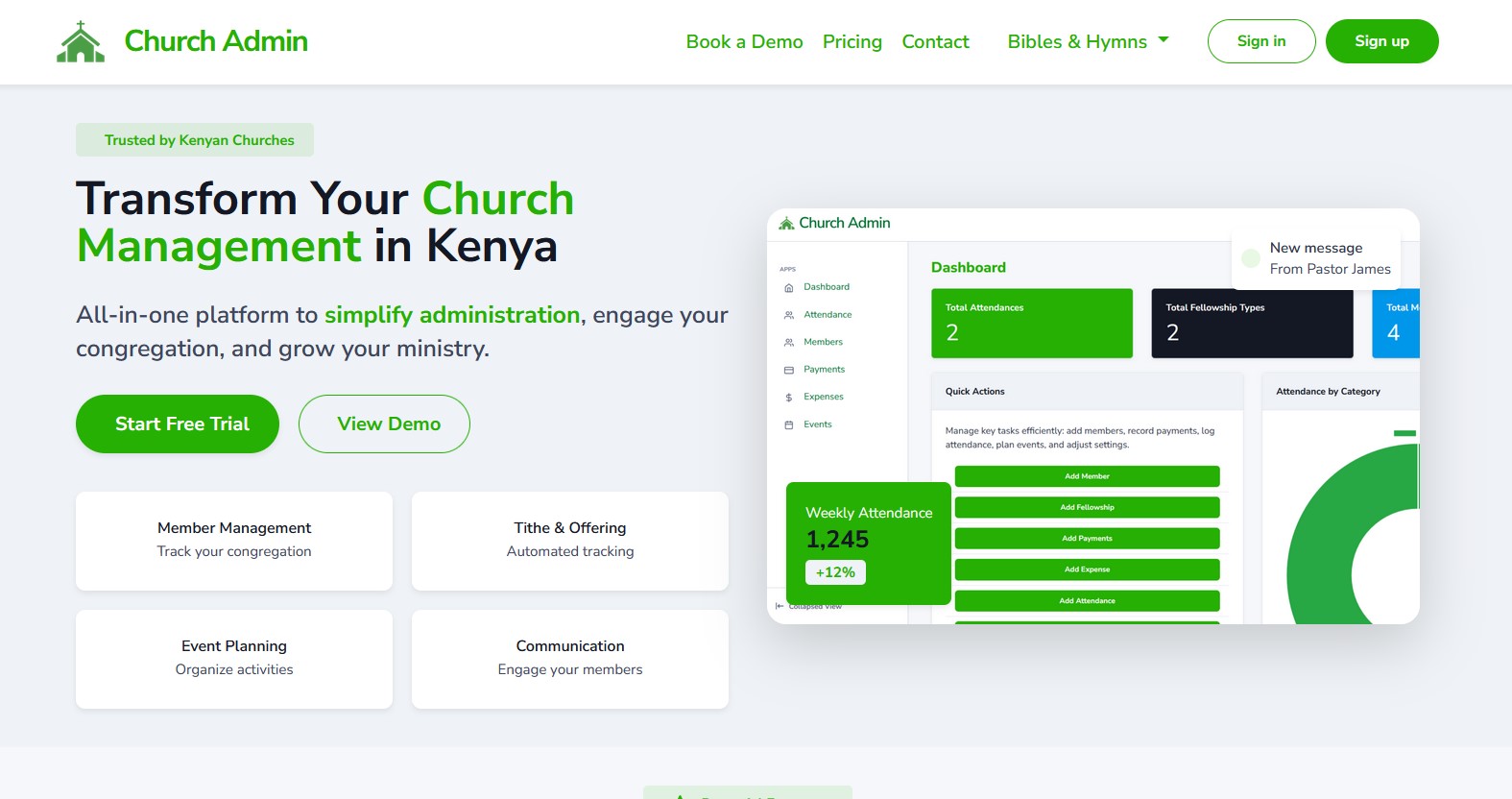
Project media is pulled from the shared projects collection so this page stays aligned with the same conversion-focused structure used on the homepage.

Project media is pulled from the shared projects collection so this page stays aligned with the same conversion-focused structure used on the homepage.
The strongest demand usually comes from retailers with enough sales volume, stock movement, and reporting pressure that manual controls are no longer acceptable.
Retailers running cashier activity and stock movement every day need stronger control than spreadsheets and simple tills can provide.
Branch-level visibility, transfers, and central reporting become easier to trust when all outlets operate through one platform.
Businesses blending counter sales with account-led orders benefit from cleaner stock and finance visibility.
Where fast stock movement or shrinkage risk is high, one controlled POS environment becomes especially valuable.
Booking, workflow control, internal approvals, records management, and role-based visibility all benefit from carefully designed software.
Client workflows, document control, billing visibility, internal task management, and management reporting often justify custom systems.
Most retail projects begin because the business needs better stock trust, cleaner reporting, and stronger control over daily sales activity.
Challenge: Retail teams struggle when transactions, payment methods, and cashier activity are tracked in a way that gives management weak visibility or delayed reporting.
What we build: POS software can centralize sales execution, receipts, cashier sessions, and payment reporting so daily retail activity is easier to trust.
Challenge: Stock records drift when purchases, transfers, and retail sales are not updating the same inventory view consistently.
What we build: A retail platform can keep item balances, stock movement, purchase intake, and replenishment visibility aligned across stores or departments.
Challenge: Owners and managers lose time when branch sales, stock gaps, and top-selling items have to be compiled manually for review.
What we build: A central reporting layer can surface branch performance, product movement, payment trends, and stock alerts from the same system running the tills.
Challenge: Shared folders and email attachments create version confusion, weak access control, and difficulty retrieving the latest record when teams are under pressure.
What we build: Custom record management software provides structured access, document history, searchability, and role-based visibility so the organization can trust what it is referencing.
Challenge: Leaders often depend on manually compiled reports that arrive too late to guide action. Important performance issues stay hidden until they become bigger problems.
What we build: A reporting platform surfaces live or near-live operational data through dashboards, trend views, and actionable management summaries that reduce dependence on manual compilation.
Challenge: Organizations often buy multiple tools over time, but without proper integration teams still duplicate work and management still struggles to trust the data across systems.
What we build: Custom software can act as the operational layer that connects existing platforms, normalizes important records, and exposes one clearer view of activity to the teams that need it.
We begin with the retail workflow: items, pricing, cashier activity, stock movement, branch structure, payment methods, and the reports leadership needs.
We define the process, users, approval paths, reports, pain points, and integration requirements before software architecture decisions are finalized.
Modules, data structure, permissions, user journeys, and reporting layers are planned so the platform supports the business model coherently.
Core modules, dashboards, automation logic, and external connections are developed in stages with review checkpoints against agreed requirements.
We test critical workflows, user roles, integrations, calculations, and reporting behavior so the system can be adopted with confidence.
After go-live, we support stabilization, user feedback, ongoing maintenance, and the next round of improvements informed by real usage.
The real requirement is not just a checkout screen. It is a platform that reflects stock movement, sales control, branch reporting, and payment behavior in the way the retailer actually operates.
We can connect payments, messaging, CRMs, legacy tools, and data services so the software becomes part of the wider operating environment.
Permissions, audit visibility, and the way information moves through the system are planned as core design concerns.
Dashboards and reporting are treated as part of the system architecture, helping leadership see what matters without manual reporting delays.
We stay available to improve the platform as requirements evolve, adoption grows, and the business learns more from real usage.
The biggest gains usually show up in stock trust, branch visibility, and better reporting around daily sales and payments.
"The biggest change was visibility. Different teams are now working from the same system, and management no longer waits for manual summaries to understand what is happening."
"Our software is now aligned with the real workflow. That reduced duplicate work and gave the finance team much better control over the process."
"The most valuable part was not only the build. It was the structure around discovery, testing, and post-launch support that made adoption easier across the team."
A growing retailer can run sales, receipts, stock movement, branch transfers, payment-method reporting, and management dashboards from one POS and inventory platform.
Simple tills can record transactions, but they often leave stock, branch reporting, and payment visibility spread across too many separate processes. Integrated retail POS software keeps those workflows connected.
Sales are captured, but inventory, branch reporting, payment control, and purchasing often need separate manual handling to stay usable.
Transactions, stock movement, branch reporting, payment visibility, and replenishment control operate through one retail platform.
That is why buyers searching for retail POS software Kenya are usually solving operational visibility and stock-control problems, not just replacing a receipt printer.
These topics help buyers understand scope, cost drivers, workflows, and the questions that matter before software development begins.
The item, branch, payment, stock, and reporting decisions that shape a strong retail platform.
View on blogWhy the POS, inventory, and purchasing workflow should stay connected instead of being split across separate tools.
View on blogHow branch comparison, item performance, and payment-method summaries improve day-to-day retail decision making.
View on blogRetail buyers usually want clarity on sales control, stock movement, branch reporting, payment methods, and rollout strategy before development starts.
Yes. Branches can be structured inside the same retail environment with separate sales activity, stock positions, and shared central reporting.
That branch visibility is one of the main reasons growing retailers invest in dedicated POS software.
Yes. Sales, intake, transfers, and other inventory events can be planned to update one central item record so stock visibility stays more reliable.
This matters because inventory problems usually begin when different teams are effectively working from different records.
Yes. Payment methods can be reflected in the same sales and reporting workflow where the retailer needs better visibility across cash and digital collections.
The right setup depends on the store environment and the finance reporting the business wants to trust after each trading cycle.
Yes. A strong retail platform should surface branch sales, item movement, stock gaps, and payment summaries through one reporting layer.
That management visibility is a major part of the business case for better POS software.
Yes. Many retailers begin with checkout and inventory control, then expand into branch dashboards, purchasing workflows, or deeper customer features later.
A phased rollout helps the business improve control quickly without trying to change every retail process at once.
Yes. Software only creates value if users can rely on it and if the platform remains stable after launch. We provide support for maintenance, fixes, and changes that emerge once the system begins handling real operational work.
Training and post-launch support are especially important when the software changes how teams work day to day. That transition needs structure so adoption is smooth and confidence in the system grows quickly.
We can scope your sales, inventory, branch, payment, and reporting workflow and design a retail platform around the way your stores operate.
+254 725 345 345