Systems and workflows delivered
Custom software, reporting platforms, automation tools, and integration-ready business systems delivered for ongoing operational use.
Our custom software developers in Kenya build systems around real workflows, user roles, reporting needs, integrations, and operational priorities instead of generic templates.
When a company searches for custom software developers Kenya, it usually means existing tools are no longer enough. The workflow may be too specific, too fragmented, or too dependent on manual work for an off-the-shelf system to fit cleanly. At that stage, the business needs software designed around its own users, approvals, records, and reporting expectations.
Custom software matters because operational detail matters. Two businesses in the same sector can have different handoff patterns, billing models, document requirements, branch structures, and approval logic. A generic product may solve part of the problem, but teams often end up compensating with spreadsheets, duplicate entries, and side processes that create confusion over time.
Our custom software developers in Kenya work from the operational model first. We map the workflow, identify where data enters and moves, define what each role should see, and design the platform around real decision points. That gives the software a stronger foundation and makes later enhancements easier to manage.
The real objective is not to make the software feel custom for its own sake. It is to make the business run better. Good custom software should reduce repetition, centralize records, surface actionable information, and give teams a system they can rely on every day.
These keyword pages are linked together so the homepage and all main SEO pages reinforce the same topical cluster.
The right custom development team narrows scope intelligently, chooses the right architecture, and builds only what creates real operational value.
Custom software, reporting platforms, automation tools, and integration-ready business systems delivered for ongoing operational use.
We focus on stable systems that support decisions, reduce manual work, and keep teams aligned around the same data.
The system is planned around modules, reporting, integrations, and future improvements rather than a one-off launch only.
The software is built around business processes, user roles, and decision paths that teams actually follow every day.
Custom development can take many forms, but the consistent goal is to support how the business actually works rather than forcing a borrowed process.
Applications for approvals, reporting, records, internal control, and multi-team operational visibility across one organization.
Software that standardizes repeated business processes, routes tasks correctly, and reduces manual coordination between teams.
Decision-support platforms that turn live operational data into visible, actionable information for managers and finance teams.
We connect finance data, messaging tools, payment services, CRMs, inventory systems, and external APIs into the same software flow.
Where appropriate, the software is designed for comfortable use across desktop and mobile so staff and managers can work from more than one environment.
Software systems require support after launch, and we remain available for fixes, refinements, module expansion, and technical continuity.
Our software stack is selected for stability, extensibility, reporting capability, and the ability to support real operational workflows over time.
The technical approach is shaped by data complexity, business risk, reporting needs, user volume, and the integrations required by the organization.
These are common outcomes when organizations move from manual or fragmented tools toward a dedicated software platform.
A business platform that routes tasks, records actions, escalates pending items, and gives managers a live view of throughput and unresolved work.
Software that centralizes invoices, transaction tracking, reconciliation logic, and finance reporting for organizations with recurring or high-volume activity.
A system that connects activity from multiple processes into one reporting layer so leadership can see performance, delays, and workload from one place.
This section uses the live projects collection so these SEO pages mirror the homepage structure and still show real portfolio context.
Project media is pulled from the shared projects collection so this page stays aligned with the same conversion-focused structure used on the homepage.
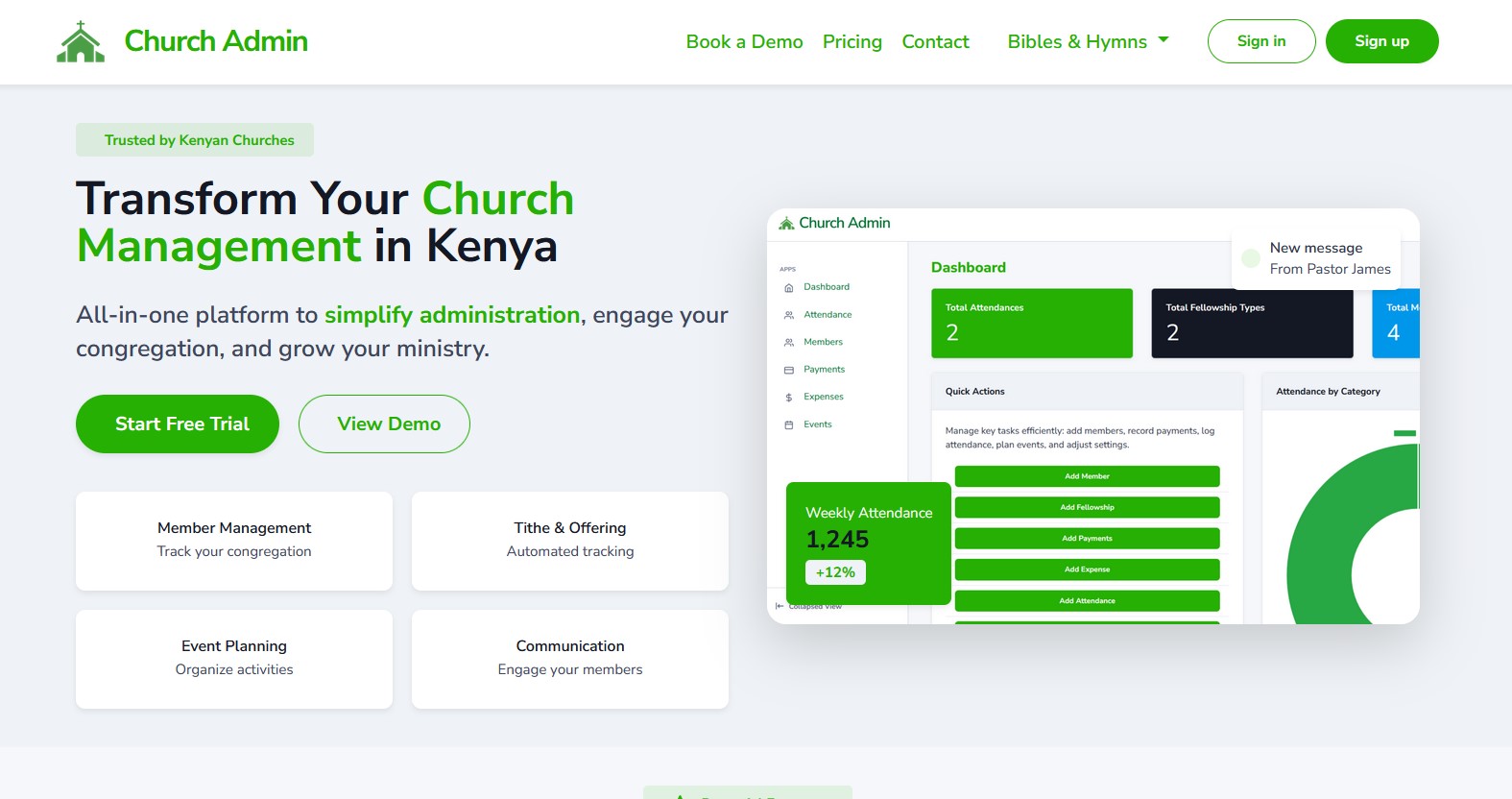
Project media is pulled from the shared projects collection so this page stays aligned with the same conversion-focused structure used on the homepage.

Project media is pulled from the shared projects collection so this page stays aligned with the same conversion-focused structure used on the homepage.
Custom software becomes especially useful where approvals, records, payments, and decisions vary enough that standard tools start creating friction.
Approvals, collections, account visibility, reports, and controlled access patterns make custom software especially valuable here.
Property operations, maintenance coordination, rent control, service workflows, and finance reporting are often too specific for generic software.
Inventory movement, order visibility, dispatch coordination, partner records, and delivery reporting benefit from integrated software.
Learner records, staff approvals, billing, progress visibility, scheduling, and communication often need one structured platform.
Booking, workflow control, internal approvals, records management, and role-based visibility all benefit from carefully designed software.
Client workflows, document control, billing visibility, internal task management, and management reporting often justify custom systems.
Custom projects should start with a process that genuinely needs structure, visibility, or automation beyond what existing tools provide.
Challenge: Many businesses still rely on email or verbal follow-up for approval workflows. This makes it difficult to track responsibility, service levels, or the reason a request is delayed.
What we build: Custom software can route approvals through defined stages, record the action history, send reminders automatically, and provide managers with a live view of pending and completed work.
Challenge: When billing and collections are handled across spreadsheets, messages, and separate systems, finance teams lose time and visibility. Errors and delayed reporting become harder to avoid.
What we build: A dedicated software platform can centralize invoices, collections, statements, payment references, and reconciliation workflows so finance teams work from a cleaner operational record.
Challenge: Service teams often lack one system for assignment, progress tracking, escalation, and reporting. That makes turnaround inconsistent and management visibility weak.
What we build: Operations software can structure task ownership, route work correctly, expose service status, and give leadership a clearer picture of workload, delays, and completion quality.
Challenge: Shared folders and email attachments create version confusion, weak access control, and difficulty retrieving the latest record when teams are under pressure.
What we build: Custom record management software provides structured access, document history, searchability, and role-based visibility so the organization can trust what it is referencing.
Challenge: Leaders often depend on manually compiled reports that arrive too late to guide action. Important performance issues stay hidden until they become bigger problems.
What we build: A reporting platform surfaces live or near-live operational data through dashboards, trend views, and actionable management summaries that reduce dependence on manual compilation.
Challenge: Organizations often buy multiple tools over time, but without proper integration teams still duplicate work and management still struggles to trust the data across systems.
What we build: Custom software can act as the operational layer that connects existing platforms, normalizes important records, and exposes one clearer view of activity to the teams that need it.
We use a practical delivery flow that helps both the technical team and the client stay focused on the most important outcomes first.
We define the process, users, approval paths, reports, pain points, and integration requirements before software architecture decisions are finalized.
Modules, data structure, permissions, user journeys, and reporting layers are planned so the platform supports the business model coherently.
Core modules, dashboards, automation logic, and external connections are developed in stages with review checkpoints against agreed requirements.
We test critical workflows, user roles, integrations, calculations, and reporting behavior so the system can be adopted with confidence.
After go-live, we support stabilization, user feedback, ongoing maintenance, and the next round of improvements informed by real usage.
The investment makes sense when software becomes a core part of how work gets done and when the workflow is too specific for generic products.
We can connect payments, messaging, CRMs, legacy tools, and data services so the software becomes part of the wider operating environment.
Permissions, audit visibility, and the way information moves through the system are planned as core design concerns.
Dashboards and reporting are treated as part of the system architecture, helping leadership see what matters without manual reporting delays.
We stay available to improve the platform as requirements evolve, adoption grows, and the business learns more from real usage.
The strongest feedback tends to focus on fit: the software finally matches the process instead of the team adapting itself to a product.
"The biggest change was visibility. Different teams are now working from the same system, and management no longer waits for manual summaries to understand what is happening."
"Our software is now aligned with the real workflow. That reduced duplicate work and gave the finance team much better control over the process."
"The most valuable part was not only the build. It was the structure around discovery, testing, and post-launch support that made adoption easier across the team."
A distribution business often needs one system to manage requests, stock visibility, approvals, dispatch coordination, invoicing, and reporting. Custom software can bring those workflows together and give management far clearer operational control.
Configurable tools can solve standard needs, but custom software becomes necessary when the workflow, approvals, reporting, or integration requirements are too specific or too central to the business.
Useful when the organization can live within the product’s assumptions and only needs moderate setup. Limits appear when the business model or process differs materially from the template.
Designed around the organization’s real operations, making it easier to reflect specific workflows, permissions, reports, integrations, and decision paths without awkward workarounds.
That is the core reason businesses search for custom software developers Kenya: they need software that reflects the way they actually operate.
These topics help buyers understand scope, cost drivers, workflows, and the questions that matter before software development begins.
The core users, workflows, reports, and integration decisions that should be clear before a custom build begins.
View on blogA practical way to identify the repeated tasks and delays that justify software investment.
View on blogReporting only becomes useful when the underlying process and data capture are structured correctly.
View on blogMost buyers want clarity on requirements, ownership, support, maintenance, and how much of the workflow should be custom-built.
We usually start by understanding whether the process is relatively standard or whether the organization has unique approval paths, integrations, reporting expectations, or user roles that a generic product cannot handle well. If the process is narrow and common, an existing tool may be enough. If the workflow is central to the business and does not fit standard products cleanly, custom development often becomes the better long-term decision.
The key issue is not whether software already exists in the market. It is whether that software fits the way your organization actually operates without creating expensive workarounds and manual side processes.
The most useful starting point is a clear description of the current process, the pain points causing the most delay or confusion, the teams involved, and the decisions or reports management needs to see. It also helps to list any existing systems that the new software may need to integrate with.
You do not need a perfect technical specification before speaking to us. What matters is that we can identify the real business objective, the user groups involved, and the workflow outcomes the software must support.
Yes. Many software projects are valuable precisely because they connect existing tools that do not currently work together well enough. We can assess API-based integrations, data synchronization needs, and the way records should move between systems.
Where integration is required, we plan the connection points early so the software architecture supports them cleanly rather than treating them as late additions that introduce avoidable instability.
The timeline depends on how much of the workflow is being built, how many user roles and reports are involved, and how much integration or data migration is required. A focused first release is usually more effective than trying to build everything at once.
We normally recommend phased delivery so the highest-value modules are defined first, tested earlier, and improved using real user feedback instead of waiting for a very large all-at-once launch.
Yes. In most cases that is the expected path. Businesses learn more about what matters once teams begin working in the platform, and new opportunities for dashboards, automation, or integrations become clearer after launch.
A well-planned system should support that growth. We therefore pay close attention to architecture and data design so later improvements are easier to implement responsibly.
Yes. Software only creates value if users can rely on it and if the platform remains stable after launch. We provide support for maintenance, fixes, and changes that emerge once the system begins handling real operational work.
Training and post-launch support are especially important when the software changes how teams work day to day. That transition needs structure so adoption is smooth and confidence in the system grows quickly.
We can help assess whether your workflow should be custom-built, what the first release should include, and how the platform can evolve over time.
+254 725 345 345